What Makes Handmade Pizza Better at a Pizza Restaurant
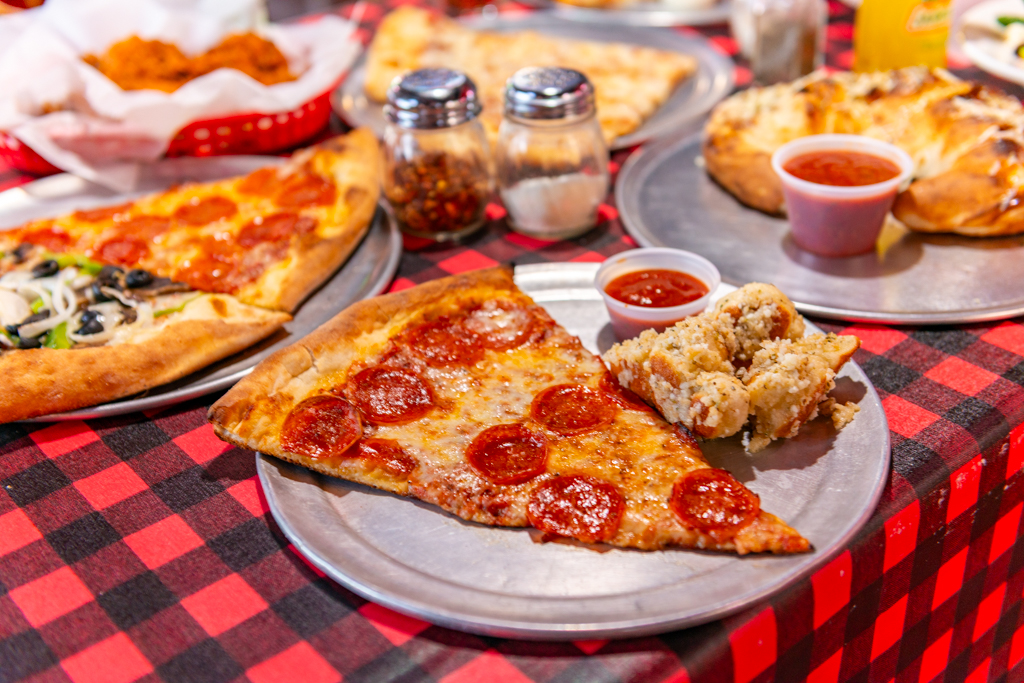


There is a reason people will drive past three chain locations to reach a good pizza restaurant that still makes pies by hand. They are not only buying dinner. They are buying judgment, craft, and the kind of attention that cannot be rushed through a conveyor belt. Handmade pizza has a different character from the first touch of the dough to the moment the box opens at the table. You can smell it before you identify it. The crust has real aroma, the cheese settles instead of forming a uniform blanket, and every slice carries small signs that an actual person made choices along the way.
That difference is not nostalgia. It is technique.
When a restaurant commits to handmade pizza, it commits to variables that matter: dough fermentation, temperature control, stretch tension, sauce balance, cheese distribution, oven management, and timing. These choices shape texture and flavor in ways that mass production often smooths out. A machine can portion, press, and top with impressive consistency. What it cannot do as well is respond in real time to flour humidity, a dough ball that needs ten more minutes to relax, or a pie whose toppings need a lighter hand because the mozzarella is releasing more moisture than usual.
A strong pizza restaurant understands that handmade does not simply mean someone touched the dough. It means the final product reflects skilled intervention at every stage.
The dough is where the difference starts
Most pizza conversations drift toward toppings because they are visible and easy to compare. The real quality marker, though, is dough. In a handmade operation, dough is not just a neutral vehicle. It is the foundation of flavor, structure, and digestibility.
A well-made dough begins with simple ingredients, flour, water, salt, yeast, and often a little oil depending on style. Simplicity raises the stakes. There is nowhere to hide. If the fermentation is too short, the crust tastes flat and bready. If hydration is mishandled, the dough can bake tough or limp. If it is overworked, the finished pizza resists the bite rather than yielding to it.
At a serious pizza restaurant, dough is usually mixed in batches, portioned by hand or with close oversight, then left to ferment under controlled conditions. Fermentation is where much of the flavor develops. Over several hours, and often a day or more, yeast and enzymes begin breaking down starches and proteins. That process creates subtle acidity, nuttiness, and complexity that quick dough simply does not have. It also changes the way the crust browns and the way it feels in the mouth.
You can often see the results at the rim of the pizza. Handmade crust tends to have irregular air pockets, some larger, some tighter, rather than a perfectly even cross section. Those pockets are not cosmetic. They signal a dough that was fermented well and handled carefully enough to retain gas. Press that same dough through aggressive sheeting equipment and many of those delicate internal structures disappear.
That is one reason two pizzas made from the same ingredient list can taste very different. The recipe is not the whole story. The handling is.
Hand stretching preserves texture that machines often flatten
Handmade pizza usually involves stretching or pressing the dough by hand rather than forcing it through a mechanical process designed for speed. That matters more than most diners realize.
When an experienced pizza maker stretches dough, they are reading resistance and elasticity in real time. A cooler dough ball behaves differently from one that has fully relaxed. One batch of flour may absorb slightly more water than another. A room with higher humidity can change surface tack and airflow. Skilled hands adjust pressure accordingly, protecting the outer rim while thinning the center to the right degree. That is how you get a crust with contrast, crisp underneath, tender inside, and light at the edge.
Machines are valuable tools in some kitchens, especially for high volume operations, but they tend to prioritize uniformity over sensitivity. They can compress dough, expel gases, and create a more standardized texture. There is nothing inherently wrong with that if the style calls for it. Yet when people talk about a pizza restaurant that tastes alive rather than assembled, they are usually describing the effects of hand stretching whether they know it or not.
I have watched line cooks with years of experience handle two dough balls from the same tray in completely different ways because one needed an extra dusting of flour and the other needed a gentler stretch to avoid tearing. That sort of split-second judgment is invisible to the customer and central to the final result.
Fermentation brings both flavor and better eating quality
Some of the best handmade pizza tastes fuller without seeming heavy. That is often the work of fermentation. A properly fermented dough develops compounds that give the crust depth, a light tang, toasted grain notes, and a cleaner finish on the palate. It also tends to brown more attractively because sugars become more available during the resting period.
There is a second benefit that many customers notice without being able to name. Long fermented dough often feels easier to eat. People describe it as lighter or less dense. That does not make it a health food, and responsible restaurants should avoid overpromising on digestibility, but the sensory difference is real. A crust made in a hurry tends to sit bluntly on the plate and in the stomach. A dough that had time to mature feels more developed and less one-dimensional.
The trade-off is planning. A pizza restaurant cannot decide at 4 p.m. To serve 24-hour fermented dough at 6 p.m. Handmade pizza requires forecasting, storage space, disciplined prep, and a willingness to throw out dough that has gone past its prime. Those are not glamorous decisions, but they are often what separates very good pizza from merely acceptable pizza.
Sauce is not just a topping, it is part of the architecture
Good handmade pizza uses sauce with restraint. That sounds simple until you see how many kitchens miss it. Sauce should support the dough and toppings, not drown them. The best pizza sauce usually tastes vivid rather than busy. Tomato sweetness, gentle acidity, and enough seasoning to round the edges. Too much sugar and it tastes canned. Too much oregano and it turns muddy. Too much garlic and it lingers after every other flavor disappears.
At a careful pizza restaurant, sauce is also applied with purpose. The person making the pie adjusts the amount based on the style, the hydration of the dough, and the toppings going on top. Fresh mozzarella releases more water than low-moisture cheese. Mushrooms behave differently from pepperoni. A margherita needs a different hand from a meat-heavy pie. This is where handmade pizza shows its advantage again. Human judgment can balance moisture before the pie ever reaches the oven.
That balance matters because soggy centers are rarely caused by one mistake. They are usually the result of several small ones, dough stretched too thin, sauce ladled too heavily, wet toppings piled on, oven floor not hot enough, or the pie not baked quite long enough. Handmade pizza done well catches those problems earlier.
Topping distribution changes every bite
One of the quiet strengths of handmade pizza is bite-to-bite variation. Not chaos, but natural variety. A slice from a handmade pie may have a slightly cheesier corner, a blistered crust edge, a small pool of sauce near the fold, or a cluster of basil that perfumes one mouthful more than the next. Those subtle differences make the pizza feel like food rather than a product.
This does not excuse sloppiness. A quality pizza restaurant still aims for balance and consistency. If one slice has no toppings and another collapses under their weight, that is poor execution. Handmade should mean attentive, not random. The sweet spot is a pie that feels generous and composed without looking engineered.
There is also a textural reason hand-applied toppings tend to eat better. An experienced cook knows when a handful of sausage needs to be broken into smaller pieces, when pepperoni should overlap less to avoid oil pooling, and when delicate vegetables should be placed where they will cook but not scorch. These are small adjustments. They are also the difference between a pizza that tastes integrated and one that feels piled up.
The oven rewards skill and exposes shortcuts
Pizza ovens are unforgiving. Whether a restaurant uses a wood-fired oven, a gas deck oven, an electric deck, or a high-performance stone conveyor, heat management separates average pizza from great pizza.
With handmade pizza, the oven is not a final step. It is part of the craft. The person launching the pie needs to know if the dough is strong enough for a hotter spot, whether the stone has recovered fully from the last rush, how much color the cheese should take, and when to rotate for even blistering. In some ovens, a difference of 30 to 50 degrees can change the bottom crust from crisp and speckled to pale or scorched.
Restaurants that specialize in handmade pizza often build rhythm around the oven rather than forcing the oven to match a rigid timer. That is one reason pizzas from busy, well-run shops can taste better during peak hours than during a slow lull. The oven is fully recovered, the staff is moving with practiced timing, and pies are entering and leaving a stable heat environment.
That said, volume can expose weaknesses too. If the dough station falls behind, stretched skins sit too long and begin to stick or dry. If too many heavily topped pies go in at once, oven recovery slows. If a restaurant chases speed by underbaking to keep tickets moving, handmade dough loses one of its main advantages. A great pizza restaurant knows how to protect quality during the rush instead of letting the rush define the food.
Handmade pizza tastes more like the place that made it
One of the pleasures of visiting different pizza restaurants is discovering how much local identity can show up in a food built from similar ingredients. Handmade pizza carries that identity more clearly than standardized production does.
A neighborhood shop might use a slightly darker bake because local regulars prefer stronger crust flavor. A coastal town restaurant may lean toward lighter topping combinations and brighter sauces. A family-run place could still be using the same dough timing learned decades ago, adjusted for modern refrigeration but rooted in habit and memory. None of that fits neatly into a template. That is the point.
When people say a pizza restaurant has personality, they are often reacting to these accumulated decisions. Handmade pizza expresses preference. It reveals what the kitchen values, crunch, chew, char, sweetness, restraint, generosity, elegance, abundance. Even imperfections can feel honest if the core technique is sound. A pie with an unusually large blister or slightly irregular shape can still communicate care. In some cases, it communicates more care because it shows the absence of heavy standardization.
Freshness is easier to see, and harder to fake
Handmade pizza makes freshness more visible. Dough that was mixed recently enough to still have life behaves differently from a preformed shell. Basil cut just before service smells brighter than basil that sat all afternoon. Mozzarella torn by hand leaves a different melt pattern from uniformly processed shreds. Even flour on the peel tells part of the story. Too much and you get bitterness from burnt residue. Just enough and the pie launches cleanly.
Customers may not know exactly what they are noticing, but they notice it. The pizza arrives with crust still crackling softly, sauce that tastes of tomatoes rather than generic sweetness, and toppings that retained character after baking. That clarity is difficult to manufacture once ingredients lose freshness.
Of course, handmade is not an automatic guarantee. A careless kitchen can misuse premium ingredients just as easily as a machine can. Fresh dough can be overproofed. Good tomatoes can be oversalted. Beautiful mushrooms can flood a pizza with water if not handled correctly. What handmade offers is potential. It creates the conditions for a better pie, then depends on skill to realize them.
Why the best shops stay disciplined about small things
A lot of what makes handmade pizza better comes down to habits that customers never see. The strongest kitchens are usually obsessive in quiet ways. They check dough temperature after mixing. They label trays carefully. They let dough warm gradually before service. They regrate cheese in small enough batches to prevent clumping. They train staff not to overload peels with flour because burnt flour tastes bitter on the oven floor. They know exactly how much sauce goes on a 12-inch pie versus an 18-inch pie, and they still allow for adjustment when the tomatoes come in especially sweet or especially acidic.
Here are a few backstage practices that often show up in better pizza restaurants:
- Dough is made ahead with enough fermentation time to develop flavor.
- Staff stretch dough with minimal degassing, preserving the internal structure.
- Toppings are portioned thoughtfully, not simply piled on for visual impact.
- Ovens are managed actively, with attention to hot spots and recovery time.
- Finished pizzas are cut, rested briefly if needed, and served without lingering in the window.
None of these practices sound dramatic on paper. Together, they create the kind of pizza people remember.
Handmade does not mean expensive for the sake of it
Some diners hear "handmade" and assume it is mostly a marketing term used to justify a higher price. Sometimes that criticism is fair. There are restaurants that use rustic language and visible flour dust as stage dressing while serving mediocre pizza. But in a genuinely good operation, handmade pizza costs more for practical reasons.
https://alexisaqlk870.currentvale.com/posts/the-best-pizza-restaurant-menu-items-beyond-pizzaLabor is a major one. Skilled dough handling takes time to learn and effort to maintain. Fermentation requires space in coolers and discipline in scheduling. Ingredient quality often runs higher because there is less interest in masking blandness with excess cheese or salt. Waste can increase because dough has a life cycle, fresh herbs bruise, and hand-applied toppings are less optimized for maximal shelf life than highly processed alternatives.
The value proposition depends on execution. If a pizza restaurant is charging premium prices, the customer should feel that premium in texture, flavor, aroma, and balance, not just branding. When the craft is real, most people can taste where the money went within the first slice.
There are styles where precision matters more than romance
It is also worth saying that handmade pizza is not automatically superior in every single context. Some regional and commercial styles are built around extreme consistency and can be excellent on their own terms. A tavern-style cracker crust, for example, may use methods that prioritize uniform thinness. A fast-casual build-your-own model may use partly standardized processes to deliver speed and predictability. Those formats serve real needs and can produce satisfying pizza.
But if the question is what makes handmade pizza better at a pizza restaurant, the answer is not mystery or sentiment. It is the greater range of human control where control matters most. Handmade methods allow the kitchen to adapt, correct, and refine. They preserve texture in the dough, encourage fuller flavor development, and produce a pie that feels more vivid on the plate.
That vividness is hard to overstate. You hear it when someone tears into the crust and it crackles. You see it in leopard spotting, airy rims, and melted cheese that settled naturally instead of flattening into sameness. You taste it in the contrast between char and sweetness, chew and crispness, tomato brightness and milky richness. These are sensory details, but they are also operational details. They happen because someone paid attention.
What diners should look for when choosing a pizza restaurant
If you want to tell whether a pizza restaurant really excels at handmade pizza, pay attention to the crust first. It should have personality. Not necessarily dramatic bubbles or heavy char, depending on style, but clear signs of proper fermentation and baking. Then notice whether the toppings feel integrated with the dough rather than sitting on top of it like separate layers. Finally, check how the slice holds. A little droop can be normal. Collapse usually signals imbalance.
The room can offer clues too. You do not need a theatrical open kitchen to identify care. Sometimes the best indicators are more practical: dough trays moving in rotation, cooks stretching with confidence, pies entering the oven without hesitation, and boxes leaving quickly instead of waiting under heat lamps. Handmade pizza rewards momentum and concentration.
The best restaurants make that concentration look easy. It is not easy. It is repetition, judgment, and a lot of corrections that happened before service began. That is why truly good handmade pizza stands apart. It is shaped by people who know that each stage matters, and who respect the dough enough not to rush it.
A memorable pizza restaurant rarely wins on toppings alone. It wins because the whole pie makes sense. The crust supports the sauce, the sauce lifts the cheese, the toppings add without smothering, and the oven ties everything together. Handmade pizza is better when those pieces are guided by skilled hands instead of pushed through a fixed system. You can taste the difference in the first bite, and in most cases, you remember exactly where you had it.